Electrical faults are a common occurrence, which can occur at the worst possible time. Knowing how to troubleshoot and fix most of the common faults can help you minimize all the inconveniences that come with it. Trying to fix an electrical problem without proper diagnosis can result in additional issues. It can also increase the overall cost of repairing the faults. You can use the tips highlighted below for the effective diagnosis of electrical faults.
Observe All Safety Precautions
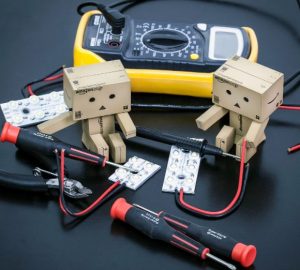 Before doing anything, you must ensure all safety precautions are in place. Electricity is quite dangerous and can lead to property damage caused by fire or personal injury caused by an electric shock. Start by switching off the mains. You should also ensure you use the right tools and equipment if you decide to do the repairs yourself. If you are unfamiliar or uncomfortable dealing with electricity, do not hesitate to call a professional.
Check for Open Circuit
Open circuits are the most common electrical faults. An open circuit occurs when there is a break in the electrical circuit. It can happen when the fuse breaks or the circuit breaker trips. The easiest and most effective way of checking for an open is by conducting a continuity test.
Short Circuit
A short circuit refers to any closed connection that bypasses a load. A short circuit can result in an excessive flow of current, which can damage your electrical components. The most common cause of short circuits is weak or damaged insulation. You can detect it by conducting an insulation test. The easiest way of troubleshooting a short circuit is by checking the electrical resistance and the potential difference between two or more points.
Conduct the Continuity Test
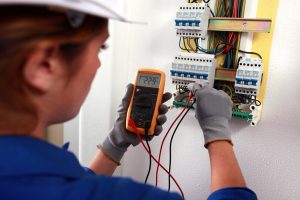 The two main ways of checking the continuity of an electrical circuit are the power on continuity test and dead continuity test. As the name suggests, the dead continuity test is done when the power is switched off. It is the most recommended of the two because it minimizes the chances of getting an electrical shock. A multimeter is all you need for the test.
Physical Check
Lastly, you can do a physical check to diagnose an electrical fault. Check to see if there are any loose connections and if the extension cords are overloaded. You can also check the light bulbs to determine if there is any that needs to be replaced. If everything seems to be okay, the electrical problem might be due to an external fault. In such a case, you should contact your electrical service provider.
…
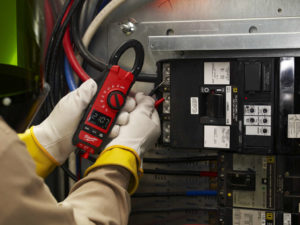
 The cost of hiring an electrician will depend on the work that needs to be done If it a simple thing that requires an easy to access part being replaced, it may not cost too much, but if it is more complicated and time-consuming, the cost will be higher. Do not try to cut corners thinking you can save some money to repair something yourself as you may end up paying more to buy an entirely new appliance or a hospital bill due to an accident.
 over time. Some damages a house can see are cracked walls, broken roof tiles, broken beams, walls that have been soaked by continuous rain and many others. What you must remember is that your house is always facing the elements like wind, snow, rain and the sun and these elements affect the structure over a period. You will often see walls with hairline cracks and may not take notice, but that will be the start of a bigger issue, and the integrity of your house may be at risk.
 Ask friends and Family
 Able Roofing Company