
If your tap water has that “pool day” vibe, you’ve probably thought about a whole-house filter. I get it. Water touches everything: your coffee, your shower, your baby bottles, even your white shirts in the wash. A whole-house setup can feel like buying peace and quiet for your plumbing. The key is knowing what you’re paying for, and what you’re not.
What a Whole House Filter Actually Does
A whole-house filter sits where water enters your home, so it treats water before it reaches sinks, showers, and appliances. That’s different from a small filter on one faucet. You’re not just improving drinking water. You’re also cleaning up the water that hits your skin and your laundry. Think of it like a bouncer at the door. It blocks certain “uninvited guests” before they wander through the house. The result can be less odor, less sediment, and fewer stains. Many homeowners notice the shower experience first, because their nose can’t ignore it.
Common Filter Types and What They Catch
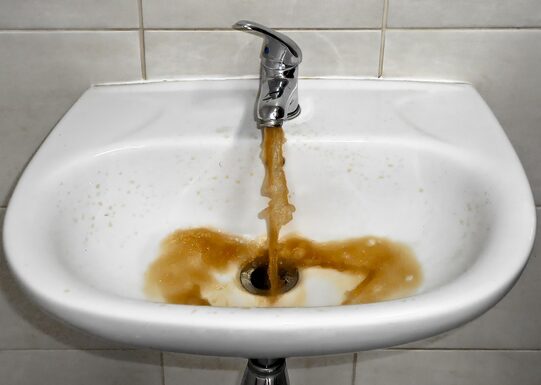
Sediment filters are the first line of defense for grit, rust bits, and sandy particles. They help protect water heaters, washers, and fixtures that hate debris. Carbon filters go after chlorine taste and smell, and that’s a big reason people feel the change fast. Some systems also reduce certain chemicals, depending on the media and rating. Then there are softeners and specialty media. A softener targets hardness minerals that cause scale, that chalky buildup on faucets and glassware. Specialty filters can focus on iron, sulfur smells, or other local issues. The label matters here because “filter” is a broad word, like saying “tool” without naming the job.
Costs, Maintenance, and the “Hidden” Work
The upfront cost depends on filter type, flow rate, and your home’s size. Installation can add more, especially if the plumbing is tight or old. The sneaky cost is filter replacement. Miss that schedule and performance drops, quietly, like a phone battery that suddenly won’t hold a charge. Maintenance is usually simple, but it is still a routine. Some filters need a swap every few months, others last longer. Softeners can require salt refills and occasional settings checks. If you hate recurring chores, build a reminder system, because in the future you will forget.
Who Gets Real Value and Who Can Skip It

A whole-house filter can be a great move if your water has a strong chlorine odor, visible sediment, or frequent fixture staining. It also makes sense if you’re protecting expensive appliances or you’re tired of scrubbing scale. Families with sensitive skin often like the consistency. And if you host a lot, better water is one less “house problem” to manage. You might skip it if your water already tastes fine, your plumbing stays clean, and testing shows no major issues. In that case, a point-of-use filter at the kitchen sink may cover your main concern. Renters usually don’t want to invest in a system they can’t easily take with them. The smartest step is simple testing first, because guessing is how money leaks out of wallets.
Quick Questions to Ask Before You Buy
Start with the flow rate. Your filter should handle showers, laundry, and dishwashing without turning pressure into a sad trickle. Ask what the system removes, in plain terms, and request certifications where available. If the answer sounds foggy, that’s your cue to keep shopping.…

 When choosing plants for landscaping, paying attention to their size and shape is essential. Consider how large they will grow over time and if some other plants or structures may compete for space in your garden. Additionally, the colors of your landscaping plants should coordinate with the colors in your home and garden design style. Consider the colors of the flowers and foliage when selecting plants, and try to choose shades that complement each other.
 Different plants have different maintenance needs, so select ones that are appropriate for your gardening knowledge and available time. Consider how much pruning, watering and fertilizing they need to thrive. Additionally, consider whether or not you will need to apply pesticides or other treatments to keep your plants healthy.
 Singapore is a
  Singapore is widely recognized as one of the safest countries in the world, with a low crime rate and strong law enforcement presence. The government has also implemented measures such as CCTV cameras and other security measures to increase safety in public spaces. This makes Singapore an ideal destination for those who want to live in a safe and secure environment.
 Adding programmable lighting to your home is an inexpensive way to upgrade its look and feel. With this type of lighting, you’ll be able to control your lights’ brightness, hue, and color with just the press of a button. Programmable lighting is also great for creating ambient moods, so you can enjoy a relaxing evening at home or brighten up the place when it’s time to work or entertain guests.
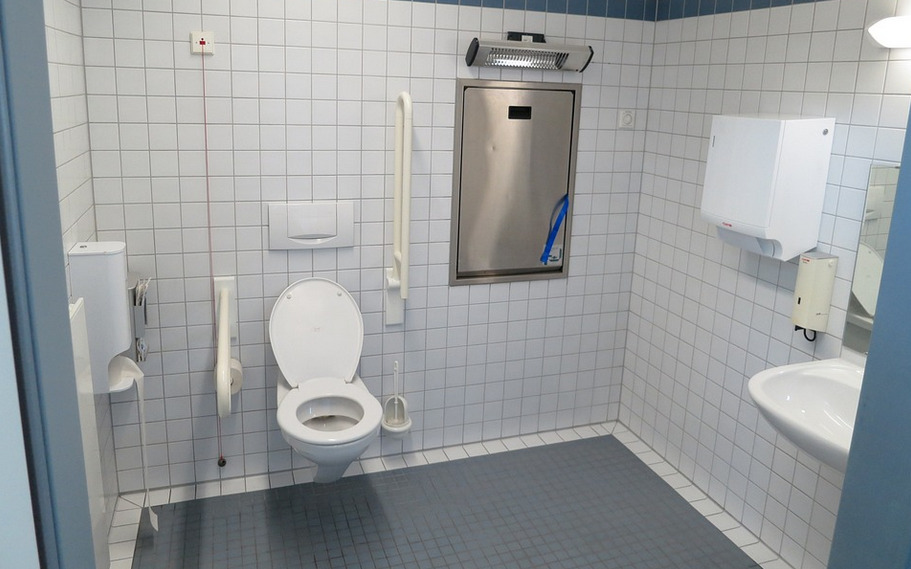 When selecting a new toilet, you must consider the size and shape of the model you purchase. You want to ensure that the toilet bowl and seat are comfortable for everyone using it. It should be easy to sit on and get off, having no issues with stability or balance. Measure your existing toilet before purchasing a new one to ensure a proper fit.

 put into maintaining it. You must have all the required tools, the supplies and also some knowledge of gardening. For supplies, it is best to find a gardening supplies shop that you can have all your supplies and mulch delivery long island done with convenience.
 Remember, there is more to gardening than meets the eye. You will also have to trim bushes and trees, pluck out weeds that tend to grow in the grass and also move the grass. All these do take time. For watering the plant’s, you could use an automatic timed sprinkler system this will help you when you are away from home.
 How do you choose the
 A little knowledge is a good thing–once you’ve taken these factors into consideration, you’ll be able to choose the best paint for your home exterior.…
 conclusion. You can plan an arrangement or drop by the show