
When landscaping, the plants you choose are of utmost importance. You want plants that will look good and survive in your climate, complement your home and garden design. There are many different plants to choose from, so how do you know which ones are right for you? Read on for tips for selecting the perfect landscaping plants. For the most effective home cleaning, consider a professional team that love housework and are sure to get to hard to reach places for an immaculate home.
Consider the Climate and Season
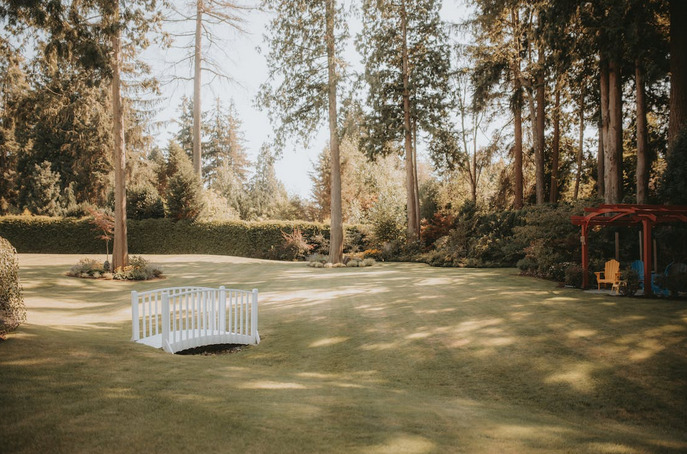
Your area’s climate should be considered when selecting plants for landscaping. Consider the average temperature, amount of rainfall, and sunlight it receives to choose plants that are well-suited for your location’s weather conditions. Additionally, think about the seasonality of your selected plants – what looks great in spring may not look so great in winter.
Consider Size and Shape of Plants
 When choosing plants for landscaping, paying attention to their size and shape is essential. Consider how large they will grow over time and if some other plants or structures may compete for space in your garden. Additionally, the colors of your landscaping plants should coordinate with the colors in your home and garden design style. Consider the colors of the flowers and foliage when selecting plants, and try to choose shades that complement each other.
Examine the Soil Type and Drainage
Different plants require different soil types, so it’s essential to understand what soil you have in your garden before selecting plants. Additionally, ensure that the area is well-draining, as some plants may not survive or thrive if standing in water for too long.
Establish the Maintenance Needs
 Different plants have different maintenance needs, so select ones that are appropriate for your gardening knowledge and available time. Consider how much pruning, watering and fertilizing they need to thrive. Additionally, consider whether or not you will need to apply pesticides or other treatments to keep your plants healthy.
Choosing the perfect plants for your landscaping design can be a challenge, but keeping these tips in mind will make the selection process much more manageable. Think about the climate and seasonality of your area, as well as the soil type and drainage needs of your chosen plants. Additionally, consider their size, shape, and maintenance needs, and make sure that the colors of their flowers and foliage coordinate with your home and garden design.…